


World Wide Suppliers of Industrial Sapphire&Ruby Precision Parts
Sapphire to Metal for Fluidic,Metrology&Medical Components
ISO 9001:2019 Mfg&Managment Certified Companies
-
Home
-
Products

- ALL products
- Custom Sapphire Optical Lenses
- IPL Filters & Light Guides
- Sapphire Optical Prisms
- Precision Zirconia Ceramic Parts
- Single Crystal Silicon Carbide(SiC 6H/ 4H)
- Custom Optical Windows
- Optical Lens
- Sapphire Substrates & Wafers
- CMM Styli & Probe Tips
- Precision Sapphire Orifice Jewels
- Sapphire Windows
- Jewel Bearing
- Custom Sapphire Tubes & Rods
- Ruby, Sapphire & Ceramic Balls and Hemispheres
- Ruby Orifice Nozzles & Fittings
- Sapphire&Ruby Assembly Parts
- Sapphire & Ruby Nozzles
- Custom Shaped Sapphire Parts
-
Material
-
Applications
-
About Us
-
Resources
-
Contact Us
-
- Custom Sapphire Optical Lenses
- IPL Filters & Light Guides
- Sapphire Optical Prisms
- Precision Zirconia Ceramic Parts
- Single Crystal Silicon Carbide(SiC 6H/ 4H)
- Custom Optical Windows
- Optical Lens
- Sapphire Substrates & Wafers
- CMM Styli & Probe Tips
- Precision Sapphire Orifice Jewels
- Sapphire Windows
- Jewel Bearing
- Custom Sapphire Tubes & Rods
- Ruby, Sapphire & Ceramic Balls and Hemispheres
- Ruby Orifice Nozzles & Fittings
- Sapphire&Ruby Assembly Parts
- Sapphire & Ruby Nozzles
- Custom Shaped Sapphire Parts
Sapphire Windows
Custom Sapphire Windows
Precision sapphire windows for optical, laser, sensor, vacuum, high-pressure and harsh-environment applications.
Microwork supplies custom sapphire windows for applications where optical transmission, mechanical strength, scratch resistance, chemical resistance and long service life are required.
Sapphire windows are commonly used as protective optical windows, viewports, sensor covers and sealing windows in demanding industrial systems. They can help protect delicate optics, lasers, cameras, sensors and internal components from pressure, abrasion, chemical exposure, high temperature and harsh operating environments
Compared with common optical glass, sapphire offers much higher hardness, excellent wear resistance, good optical transmission from UV to IR, high mechanical strength and strong chemical stability. These properties make sapphire suitable for applications where standard glass windows may be too fragile, easily scratched or chemically unstable.
Available Sapphire Window Types
Available sapphire window types may include:
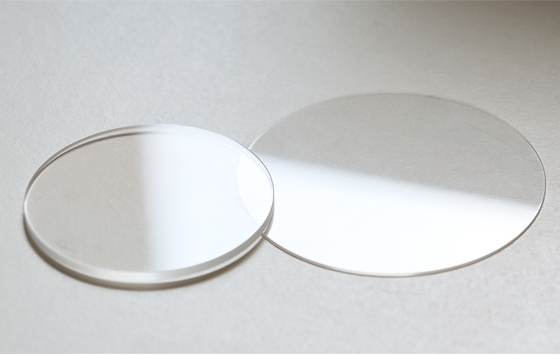
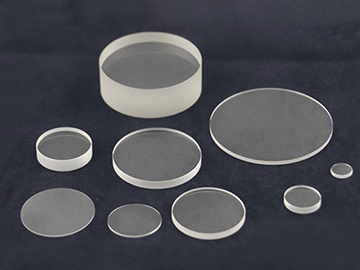
• Round sapphire windows
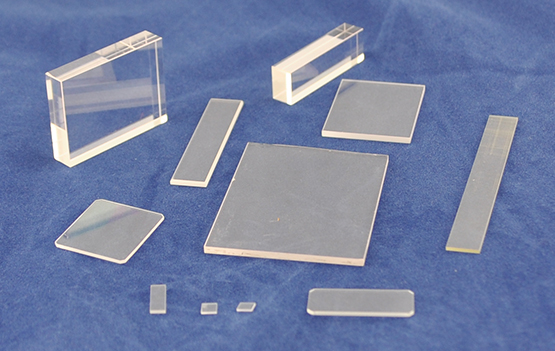
• Rectangular sapphire windows
• Square sapphire windows
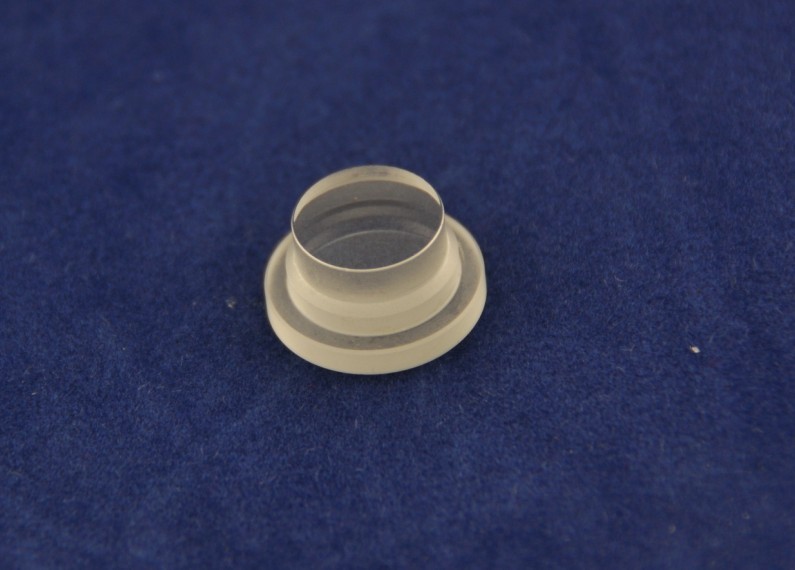
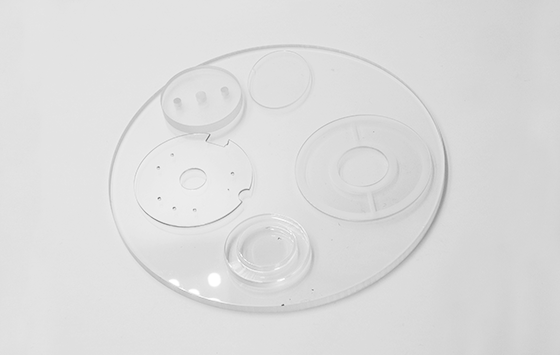
• Stepped sapphire windows
• Sapphire viewports
• Sapphire pressure windows
• Sapphire sensor covers
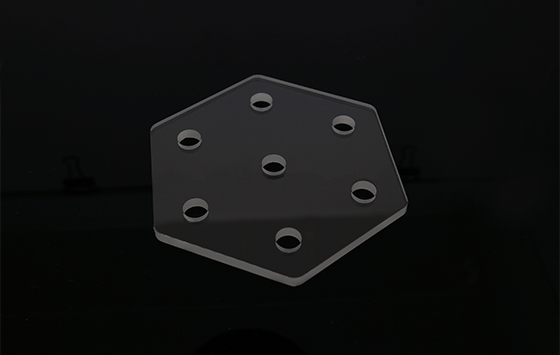
• Custom-shaped sapphire optical windows
Custom geometry, thickness, bevel, coating, surface quality and orientation requirements can be reviewed based on drawing and application conditions.
Typical Applications
Common applications include:
• Laser protection windows• Sensor and camera protection windows
• Optical viewports
• Vacuum windows
• High-pressure windows
• High-temperature observation windows
• Corrosive environment windows
• Semiconductor equipment windows
• Medical and analytical instrument windows
• Industrial inspection and measurement systems
Typical Specifications
Material: Single-crystal sapphire / Al2O3
Shape: Round, square, rectangular, stepped or custom-shaped window
Size: Custom sizes available upon drawing review
Thickness: Custom thickness available according to mechanical strength, pressure and optical requirements
Surface quality: 60/40, 40/20 or 20/10 depending on optical requirement
Flatness: Custom flatness available depending on size, thickness and optical surface
Parallelism: Custom parallelism available upon requirement
Edge finish: Fine ground, chamfered, beveled or polished edges
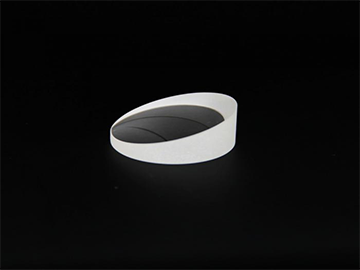
Bevel / chamfer: Standard or custom bevel available
Coating: AR coating, dielectric coating or custom wavelength coating available upon requirement
Orientation: C-plane, A-plane, R-plane or free orientation depending on application
Application: Optical, laser, sensor, viewport, pressure, vacuum, high-temperature or corrosive environment use
Round and Rectangular Sapphire Windows
Round sapphire windows are often used in optical instruments, cameras, sensors, lasers, viewports and sealing applications where a circular geometry is required.
Rectangular or square sapphire windows are commonly used in optical modules, display protection, inspection systems, viewport assemblies and equipment windows where the installation space or optical path requires a non-round shape.
Both round and rectangular sapphire windows can be customized according to size, thickness, surface quality, flatness, parallelism, bevel, coating and mounting requirements.
Sapphire vs Optical Glass Windows
Sapphire windows are often selected when scratch resistance, mechanical strength, chemical resistance and high-temperature stability are critical. They are suitable for harsh environments, pressure windows, vacuum viewports and protective windows exposed to wear or corrosive media.
BK7, fused silica or other optical glass materials may be more cost-effective for standard optical systems where extreme mechanical durability is not required. Fused silica may be preferred for UV transmission and thermal stability, while BK7 is commonly used for visible and near-infrared applications.
For sapphire-specific window designs, engineers should consider not only optical performance, but also mechanical load, mounting stress, edge condition, thickness and sealing method.
Engineering Considerations
When designing a sapphire window, engineers should consider wavelength range, transmission requirement, thickness, pressure load, surface quality, flatness, parallelism, edge condition, coating durability, mounting method and operating environment.
For pressure or vacuum windows, thickness, unsupported span, sealing structure and mounting stress should be reviewed carefully. Sapphire is strong and hard, but improper edge design, excessive clamping force, sharp corners or uneven mounting stress may still lead to chipping or cracking.
For optical applications, surface quality, flatness, parallelism, coating performance and clear aperture are important. For harsh-environment applications, chemical compatibility, temperature exposure, cleaning method and mechanical impact risk should also be considered.
Thin windows, large windows, tight flatness, high surface quality, special coatings, stepped structures and strict edge requirements can significantly affect manufacturability, lead time and cost.
Information Needed for Quotation
To review a custom sapphire window, please provide:
• Drawing or sketch
• Window shape: round, rectangular, square, stepped or custom
• Diameter or length × width
• Thickness and tolerance
• Surface quality requirement
• Flatness and parallelism requirement
• Edge finish, bevel or chamfer requirement
• Coating requirement and wavelength range
• Orientation requirement, if any
• Pressure, temperature or operating environment
• Quantity and inspection requirements
Need a Custom Sapphire Window?
Send us your drawing, window size, thickness, surface quality, flatness, coating requirement and operating conditions. We can help review manufacturability, material suitability and key technical risks before quotation.
Sapphire Windows
Custom Sapphire Windows
Precision sapphire windows for optical, laser, sensor, vacuum, high-pressure and harsh-environment applications.
Microwork supplies custom sapphire windows for applications where optical transmission, mechanical strength, scratch resistance, chemical resistance and long service life are required.
Sapphire windows are commonly used as protective optical windows, viewports, sensor covers and sealing windows in demanding industrial systems. They can help protect delicate optics, lasers, cameras, sensors and internal components from pressure, abrasion, chemical exposure, high temperature and harsh operating environments
Compared with common optical glass, sapphire offers much higher hardness, excellent wear resistance, good optical transmission from UV to IR, high mechanical strength and strong chemical stability. These properties make sapphire suitable for applications where standard glass windows may be too fragile, easily scratched or chemically unstable.
Available Sapphire Window Types
Available sapphire window types may include:
• Round sapphire windows
• Rectangular sapphire windows
• Square sapphire windows
• Stepped sapphire windows
• Sapphire viewports
• Sapphire pressure windows
• Sapphire sensor covers
• Custom-shaped sapphire optical windows
Custom geometry, thickness, bevel, coating, surface quality and orientation requirements can be reviewed based on drawing and application conditions.
Typical Applications
Common applications include:
• Laser protection windows• Sensor and camera protection windows
• Optical viewports
• Vacuum windows
• High-pressure windows
• High-temperature observation windows
• Corrosive environment windows
• Semiconductor equipment windows
• Medical and analytical instrument windows
• Industrial inspection and measurement systems
Typical Specifications
Material: Single-crystal sapphire / Al2O3
Shape: Round, square, rectangular, stepped or custom-shaped window
Size: Custom sizes available upon drawing review
Thickness: Custom thickness available according to mechanical strength, pressure and optical requirements
Surface quality: 60/40, 40/20 or 20/10 depending on optical requirement
Flatness: Custom flatness available depending on size, thickness and optical surface
Parallelism: Custom parallelism available upon requirement
Edge finish: Fine ground, chamfered, beveled or polished edges
Bevel / chamfer: Standard or custom bevel available
Coating: AR coating, dielectric coating or custom wavelength coating available upon requirement
Orientation: C-plane, A-plane, R-plane or free orientation depending on application
Application: Optical, laser, sensor, viewport, pressure, vacuum, high-temperature or corrosive environment use
Round and Rectangular Sapphire Windows
Round sapphire windows are often used in optical instruments, cameras, sensors, lasers, viewports and sealing applications where a circular geometry is required.
Rectangular or square sapphire windows are commonly used in optical modules, display protection, inspection systems, viewport assemblies and equipment windows where the installation space or optical path requires a non-round shape.
Both round and rectangular sapphire windows can be customized according to size, thickness, surface quality, flatness, parallelism, bevel, coating and mounting requirements.
Sapphire vs Optical Glass Windows
Sapphire windows are often selected when scratch resistance, mechanical strength, chemical resistance and high-temperature stability are critical. They are suitable for harsh environments, pressure windows, vacuum viewports and protective windows exposed to wear or corrosive media.
BK7, fused silica or other optical glass materials may be more cost-effective for standard optical systems where extreme mechanical durability is not required. Fused silica may be preferred for UV transmission and thermal stability, while BK7 is commonly used for visible and near-infrared applications.
For sapphire-specific window designs, engineers should consider not only optical performance, but also mechanical load, mounting stress, edge condition, thickness and sealing method.
Engineering Considerations
When designing a sapphire window, engineers should consider wavelength range, transmission requirement, thickness, pressure load, surface quality, flatness, parallelism, edge condition, coating durability, mounting method and operating environment.
For pressure or vacuum windows, thickness, unsupported span, sealing structure and mounting stress should be reviewed carefully. Sapphire is strong and hard, but improper edge design, excessive clamping force, sharp corners or uneven mounting stress may still lead to chipping or cracking.
For optical applications, surface quality, flatness, parallelism, coating performance and clear aperture are important. For harsh-environment applications, chemical compatibility, temperature exposure, cleaning method and mechanical impact risk should also be considered.
Thin windows, large windows, tight flatness, high surface quality, special coatings, stepped structures and strict edge requirements can significantly affect manufacturability, lead time and cost.
Information Needed for Quotation
To review a custom sapphire window, please provide:
• Drawing or sketch
• Window shape: round, rectangular, square, stepped or custom
• Diameter or length × width
• Thickness and tolerance
• Surface quality requirement
• Flatness and parallelism requirement
• Edge finish, bevel or chamfer requirement
• Coating requirement and wavelength range
• Orientation requirement, if any
• Pressure, temperature or operating environment
• Quantity and inspection requirements
Need a Custom Sapphire Window?
Send us your drawing, window size, thickness, surface quality, flatness, coating requirement and operating conditions. We can help review manufacturability, material suitability and key technical risks before quotation.

-
Chonghong Industries(Microwork)Ltd.
 1803,2006,Huachuang Building
 Honghuang 10th Road Jiangbei District
Chongqing China 400020
 0086 023 67937146
 0086 18623135040
 sales@ch-microwork.com
 13500373464